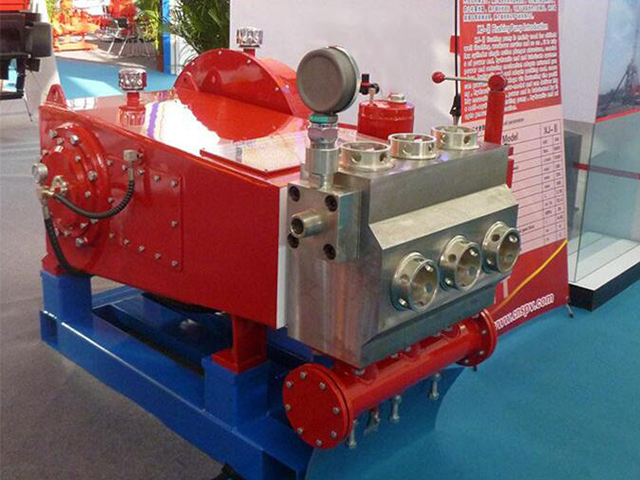
Establish the actual equipment condition
Identify the existing pump and collect operating history, previous repairs and observed symptoms. Arrange the inspection required by the manufacturer or responsible specialist before setting a final overhaul scope. Separate confirmed findings from items that can only be assessed after disassembly. A low preliminary repair allowance may not include damaged parts discovered later, while replacement may still leave problems in the feed system or installation unresolved.
Define what the overhaul is expected to restore
State the required operating duty and ask which components will be inspected, reused, repaired or replaced. Request applicable repair limits and methods from the responsible supplier rather than assuming any worn part can be reworked. Distinguish restoration of the accepted original configuration from an intended capacity increase. An overhaul does not automatically create a higher rating or remove the need to review the current liquid and service schedule.
Identify evidence for reused components
Ask for the inspection findings and acceptance basis covering the power end, fluid end and other parts proposed for reuse. Request traceable replacement identifiers and any agreed material or dimensional records. Confirm how the final assembly will be verified after repair. A parts list alone does not establish the condition of retained components, and a new fluid end does not provide evidence about every element in the existing power train.
Compare full project costs and downtime
Include removal, transport, inspection, repair contingencies, installation, alignment, testing and the effect of unavailable equipment. For replacement, include interface changes, supporting-system work and new spare requirements. Show uncertain costs as allowances with stated assumptions rather than precise totals. Compare the availability of a standby or temporary solution separately, because a repair schedule based on inspection findings differs from the manufacturing and approval milestones of a new pump.
Agree responsibility after return to service
Clarify warranty coverage, exclusions and support for reused and replaced components. Ask who approves the completed assembly and coordinates site commissioning. For replacement, define responsibility for retained auxiliaries and installed interfaces. Keep the final bill of materials, inspection report and accepted duty together so future service decisions reference the actual delivered condition rather than a generic description such as fully overhauled or as-new pump.
Do not decide from a percentage rule
There is no universal purchase-price percentage that makes overhaul preferable for every pump. The decision depends on inspectable condition, supported duty, repair evidence, availability, integration work and commercial risk. Use a comparison with a technically defined outcome for each option and include unresolved items explicitly. If the existing pump cannot be identified or its condition cannot be assessed, resolve those gaps before treating a firm-looking repair price as equivalent to a documented replacement proposal.
Put these items side by side in the bid review
| Purchase item | Question to resolve | Evidence to request |
|---|---|---|
| Condition | Which findings support reuse? | Inspection and acceptance report |
| Outcome | What duty is restored or supplied? | Accepted post-work configuration |
| Cost | Which project expenses remain uncertain? | Scenario-based cost comparison |
Suggested wording for the quotation request
Please provide an inspection-based overhaul proposal and a separate replacement option for the identified triplex pump and required duty. Define parts to inspect, reuse, repair or replace, applicable acceptance evidence and post-work verification. State provisional items, contingencies, schedule assumptions and site integration responsibilities. Include final parts records, support and warranty boundaries. Separate restoration from any proposed uprating and identify the review needed for changes in service.
Evaluate the offered pump within its complete operating system: feed supply, pressure piping, prime mover, lubrication, controls and maintenance access. Record the liquid properties, simultaneous pressure and flow points, speed range and expected running hours. Keep the accepted limits and supporting drawings with the purchase order. A bare-pump rating does not establish the capability of the installed package or every possible fluid. Qualified personnel must follow the supplied instructions and approved site procedures for installation, testing and service.
For the wider equipment scope, consult the Triplex Pump Fluid End vs Power End: Repair Scope. Use the RFQ checklist to collect the supporting documents before requesting a configuration-specific quotation.
Buyer questions
Is overhaul always preferable when the quoted repair price is lower?
No. Compare the inspected condition, supported outcome, remaining project costs, downtime and uncertainty of each option.
Does an overhaul automatically increase the pump rating?
No. Any change in duty needs coordinated review of the complete pump, drive, supporting systems and connected equipment.
Background and supplier contact
Reciprocating-pump reference documents offers related background, not certification of the equipment in a quotation. Applicability must be checked for the project and destination.
Explore the oilfield triplex plunger pump, browse all technical resources, or visit Vance Petroleum for company information. Request a pump proposal with the liquid analysis, pressure-flow duty and package requirements.