Identify where the symptom originates
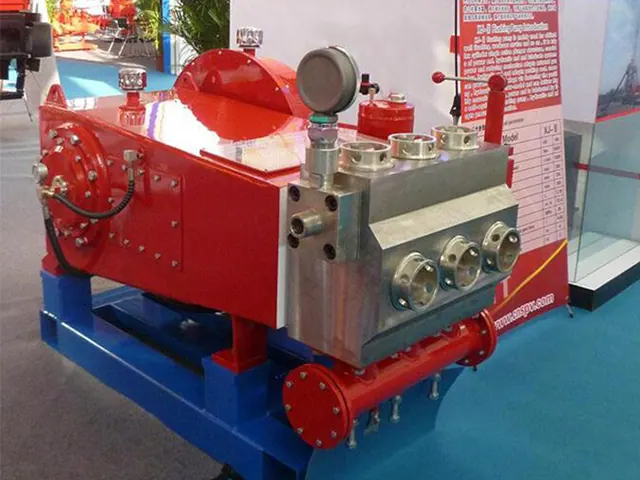
The fluid end contains the pumping chambers, valves and pressure-side components. The power end converts rotary motion into reciprocating motion through its own loaded parts and lubrication system. Leakage near a pressure chamber and debris in power-end oil point to different inspections. Record where noise, heat, vibration or contamination was observed before dismantling removes useful evidence.
Define the boundary between assemblies
Request separate inspection findings, parts lists and acceptance criteria for each assembly. Check the interfaces between them, including plunger alignment and any connections affected by disassembly. A replacement fluid end cannot correct damaged bearings or inadequate power-end lubrication. Equally, work on the drive mechanism does not establish that pressure-containing components are fit for continued service.
Make the repair quotation comparable
Specify cleaning, dimensional checks, approved repair methods, reassembly and test scope. Clarify which components are reused and what evidence supports reuse. Include the updated configuration and parts references in the handover. Compare turnaround with the availability of a replacement assembly, but avoid accepting undocumented pressure-boundary repairs merely to shorten the schedule.
Evidence to collect for this decision
| Condition | Review action | Useful evidence |
|---|---|---|
| Pressure-side leakage | Inspect fluid-end parts and seals | Pressure-component findings |
| Abnormal oil condition | Investigate power-end lubrication and wear | Oil analysis and mechanical inspection |
| Recurring mixed symptoms | Check assembly interfaces | Alignment and duty review |
Keep these observations with the equipment reference and operating conditions. When comparing proposals or service findings, check that each record describes the same configuration and duty. Resolve missing inputs with the responsible engineer before treating an estimate as an accepted operating limit.
Turn the symptom into a traceable service decision
Useful fault records describe the condition immediately before the symptom, its duration and the operating response. Include the equipment identification, installed part references, fluid or process conditions and the last relevant maintenance. Compare with a baseline recorded when performance was acceptable. If several readings changed, retain their timing: the first change may help distinguish the initiating problem from its consequences.
A service decision should identify what will be inspected, what evidence permits reuse and what finding requires replacement or specialist assessment. The original equipment instructions govern isolation, disassembly and return to service. Keep removed-part findings with the work record. After an approved repair, verify the affected function under the agreed conditions and monitor for recurrence. Replacing a component can restore operation without proving the original cause has been removed, so the follow-up observation is part of the diagnosis.
Apply the review to the offered oilfield triplex plunger pump
Use the exact pump stroke, plunger diameter and fluid-end revision in the calculation. Separate power-end condition from pressure-side condition in inspection records. Confirm which parts and operating limits change when a different fluid end or plunger set is proposed.
- Pressure-flow duty point: record the project range and identify whether the value is measured, calculated or still provisional.
- Fluid chemistry and abrasiveness: state the accepted limit and the equipment or process boundary to which it applies.
- Plunger diameter: include variation through the job instead of relying only on the normal operating value.
- Driver speed and power: identify the responsible supplier or site team and the evidence needed before acceptance.
- Maintenance access: review the case that governs this requirement and retain its basis with the equipment records.
The complete package is intended for providing repeatable high-pressure positive-displacement flow for cementing, stimulation, flushing and well-service work. Confirm the scope of the power end, fluid end, plungers and packing, suction and discharge valves against the selected duty. Use the specifications and sizing guide for the broader equipment requirements and the RFQ checklist to organize the supporting documents.
Questions about this equipment decision
Will a new fluid end make an old triplex pump equivalent to a new pump?
No. The condition and limits of the power end, drive and remaining systems still determine the complete equipment condition.
What information helps review this oilfield triplex plunger pump requirement?
Provide pressure-component findings; oil analysis and mechanical inspection; alignment and duty review, together with the installed equipment identification and the proposed operating conditions.
References and project support
Oil and gas equipment safety resources provides additional background. For the equipment range and company information, visit Vance Petroleum. Share the relevant duty and records when requesting a project-specific review.