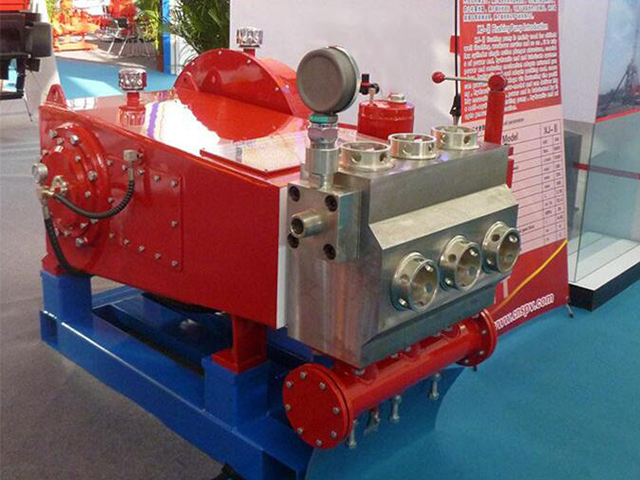
Identify the fluid-end revision first
Collect the pump and fluid-end identifiers, current bill of materials and records of any previous valve changes. Distinguish suction and discharge positions where the design requires different items. Ask the supplier to confirm the assembly against the delivered configuration rather than a pump name alone. If a mixed set is found in service, resolve the approved arrangement before purchasing another batch of apparently similar replacement parts.
Compare the complete valve assembly scope
Ask whether the offer includes the valve, seat, spring, seal, retainer and other associated pieces required by the particular design. Confirm quantities per position and per pump. Do not assume that two offers labeled valve kit cover the same work. An itemized list makes it possible to compare prices, plan the service task and identify components that remain subject to inspection before reuse.
Match materials to the liquid and duty
Provide the pumped-fluid chemistry, solids, temperature, operating pressure and expected speed range. Request the proposed valve and seat materials and the basis for their selection. A hard material may be useful in some wear conditions without resolving corrosion or compatibility elsewhere in the assembly. Record the supplier limitations and keep claims about service life tied to comparable operating evidence rather than using them as universal replacement intervals.
Include tools and installation information
Ask for the approved removal and installation instructions, necessary tooling and any fit or condition checks on the receiving fluid end. Confirm which tasks require specialist support. The purchase of a replacement set should not be treated as authorization to improvise a press fit, reuse an unverified damaged bore or apply an assumed assembly setting. Service work must follow the supplied instructions and the site isolation and pressure-control procedures.
Plan traceability and incoming inspection
Require identifiable packaging and part numbers linked to the accepted configuration, with material or inspection records where agreed. Check supplied quantities and references before the parts enter general stock. For proposed alternatives, identify differences and require approval instead of accepting an unspecified equivalent. Keep the purchase and service records connected so recurring wear or fit problems can be reviewed using actual component history rather than memory.
Separate symptom investigation from spare selection
Poor delivered flow or pressure fluctuation can have more than one cause. Preserve the observed operating conditions and use the troubleshooting and inspection process before deciding which components require replacement. Ordering valve kits may be reasonable for planned stock, but it does not establish that the valves caused a particular performance issue. Ask the supplier to identify inspection criteria and repair limits for the selected fluid end, then use those documents when defining the maintenance scope and subsequent spare order.
Put these items side by side in the bid review
| Purchase item | Question to resolve | Evidence to request |
|---|---|---|
| Assembly | What parts and quantities are included? | Itemized position list |
| Fit | Which fluid-end revision is supported? | Approved parts cross-reference |
| Service | Which tools and checks are required? | Supplier maintenance instructions |
Suggested wording for the quotation request
Please quote valve and seat spare sets for the identified triplex fluid-end configuration. State position-specific part numbers, quantities, materials and all included assembly components. Review the attached liquid and operating duty and list limitations. Provide approved installation references, required tools, incoming identification and any agreed inspection records. Treat alternative materials or designs as separate proposals requiring documented approval rather than unqualified equivalent replacements.
Evaluate the offered pump within its complete operating system: feed supply, pressure piping, prime mover, lubrication, controls and maintenance access. Record the liquid properties, simultaneous pressure and flow points, speed range and expected running hours. Keep the accepted limits and supporting drawings with the purchase order. A bare-pump rating does not establish the capability of the installed package or every possible fluid. Qualified personnel must follow the supplied instructions and approved site procedures for installation, testing and service.
For the wider equipment scope, consult the Triplex Plunger Pump Lost Flow: Valves or Suction?. Use the RFQ checklist to collect the supporting documents before requesting a configuration-specific quotation.
Buyer questions
Should valve and seat parts be ordered as an unspecified equivalent?
No. Confirm the actual configuration, assembly scope, fit and material suitability before approving an alternative.
Does lost flow prove that valves need replacement?
No. Feed conditions, leakage, speed and other causes also require investigation under the supplier troubleshooting instructions.
Background and supplier contact
Reciprocating-pump reference documents offers related background, not certification of the equipment in a quotation. Applicability must be checked for the project and destination.
Explore the oilfield triplex plunger pump, browse all technical resources, or visit Vance Petroleum for company information. Request a pump proposal with the liquid analysis, pressure-flow duty and package requirements.