Describe the complete chemical duty
Submit the acid identity, concentration, temperature and expected exposure time, together with additives, inhibitors and contamination that may be present. Include any change between storage, pumping and flushing conditions. If the composition is not final, identify the uncertainty rather than describing the liquid only as acid. The supplier needs a defined chemical duty to review the fluid end, valves, plungers, packing and other wetted parts.
Review the entire wetted boundary
Ask for a wetted-component list and the offered materials for each item, including small connections and accessories inside the supply boundary. A suitable fluid-end body does not establish compatibility of seals, valve components, instruments or pressure piping. Where different vendors supply those items, identify the party coordinating the assessment. Keep material descriptions precise enough to distinguish the accepted grade or seal compound from a broad material family.
Separate corrosion review from pressure rating
Confirm both the chemical compatibility and the permitted mechanical duty of the selected configuration. Request the supplier assumptions for temperature, pressure and exposure rather than treating a material substitution as an automatic improvement. Protective coatings, special alloys and seal changes can have their own application limits. Any claimed suitability should be connected to the actual chemical data and supplied components, with unresolved questions closed by qualified specialists before ordering.
Include flushing and transition requirements
Explain which liquids will enter the pump before and after the acid stage, and how the system is expected to be drained and cleaned. Ask for the supplier instructions and compatibility restrictions during transitions. Include the handling and disposal arrangements in the project review. Do not assume a flushing liquid is harmless simply because it is commonly available; mixing, trapped volumes and the condition of the seals can affect the accepted procedure.
Specify documents and service provisions
Request the material schedule, packing identifiers, applicable inspection records and maintenance instructions for the acid-service configuration. Ask how replacement parts will be identified so a standard alternative is not substituted without review. Confirm storage and preservation requirements and any restrictions affecting warranty or support. Where chemical data or compatibility evidence remains incomplete, make acceptance conditional on closure rather than allowing a general acid-service phrase to stand in for technical approval.
Compare offers on one chemical basis
Give competing suppliers the same liquid data and expected sequence of service. Ask each to identify accepted conditions, exclusions and proposed material differences in a common response table. Separate evidence for the quoted equipment from examples involving other concentrations or temperatures. A lower price based on different wetted materials is not directly comparable until those differences have been assessed. Keep the approved chemical basis with the order so future changes can be reviewed before a different fluid is introduced.
Put these items side by side in the bid review
| Purchase item | Question to resolve | Evidence to request |
|---|---|---|
| Liquid | Which composition and exposure are accepted? | Controlled chemical data |
| Materials | Are all wetted parts covered? | Component material schedule |
| Transitions | How are service liquids changed? | Supplier cleaning instructions |
Suggested wording for the quotation request
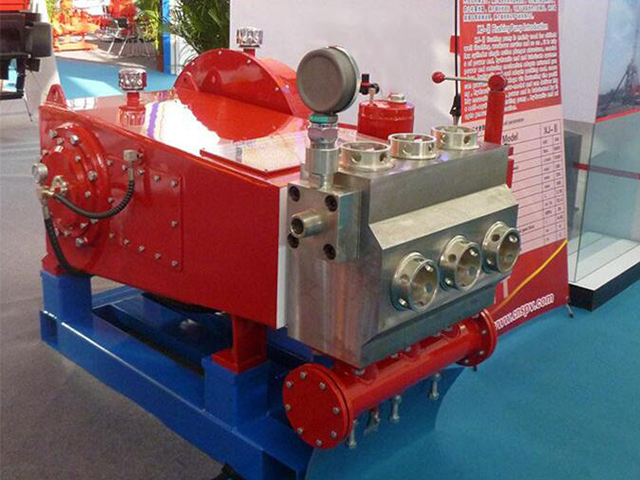
Please assess the attached acid formulation, additives, temperature range and service sequence for a triplex plunger pump proposal. Identify materials and seal compounds for every supplied wetted component, accepted pressure-flow duty and any exposure limits. Provide compatibility assumptions, flushing instructions, replacement identifiers and inspection scope. List unresolved chemical inputs and exceptions explicitly; do not substitute a general corrosion-resistant description for confirmation of the selected configuration.
Evaluate the offered pump within its complete operating system: feed supply, pressure piping, prime mover, lubrication, controls and maintenance access. Record the liquid properties, simultaneous pressure and flow points, speed range and expected running hours. Keep the accepted limits and supporting drawings with the purchase order. A bare-pump rating does not establish the capability of the installed package or every possible fluid. Qualified personnel must follow the supplied instructions and approved site procedures for installation, testing and service.
For the wider equipment scope, consult the Oilfield Triplex Plunger Pump: Compatibility Guide. Use the RFQ checklist to collect the supporting documents before requesting a configuration-specific quotation.
Buyer questions
Does stainless steel automatically establish acid suitability?
No. The specific grade, chemical composition, concentration, temperature and exposure conditions require review for all wetted components.
Should flushing liquids be included in the enquiry?
Yes. The supplier needs the service sequence and transition liquids to review compatibility and provide appropriate instructions.
Background and supplier contact
OSHA oil and gas extraction guidance offers related background, not certification of the equipment in a quotation. Applicability must be checked for the project and destination.
Explore the oilfield triplex plunger pump, browse all technical resources, or visit Vance Petroleum for company information. Request a pump proposal with the liquid analysis, pressure-flow duty and package requirements.