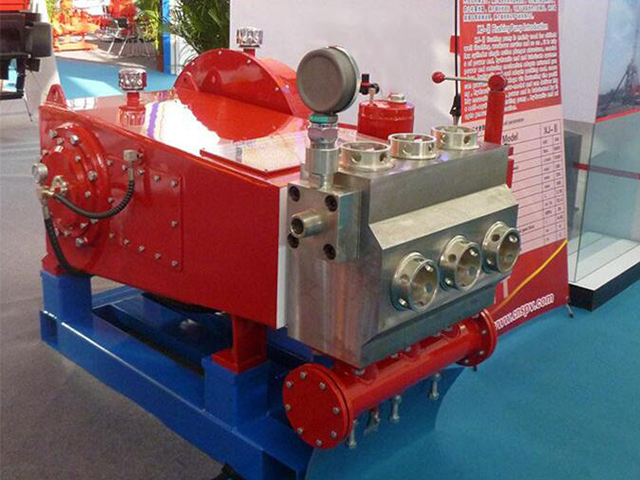
Identify the protected equipment boundary
Show the pump, discharge piping, valves, manifold and connected equipment on a controlled system drawing. Ask the responsible designer to identify applicable component limits and operating cases. Include conditions involving blocked or restricted discharge and changes in downstream configuration. A pump pressure capability does not establish that every connected item can withstand the same pressure, and protection should not be selected from the pump nameplate in isolation.
Distinguish normal control from protection
Describe the intended process-pressure control and ask how protective provisions remain effective if that control fails or a discharge path becomes unavailable. Identify the required functions and responsible suppliers in the design review. A speed command, regulator or shutdown signal should not be assumed equivalent to every mechanical protective requirement. The accepted solution must come from the qualified system design and applicable project requirements, not a generic accessory list.
Specify the actual liquid and discharge destination
Provide the pumped-fluid properties, temperature, solids and expected flow. Identify where diverted or relieved liquid can safely go and the conditions on that destination. Request review of capacity, compatibility and any backpressure assumptions for the supplied protective arrangement. A device selected for clean water or a different flow cannot be accepted automatically for slurry or chemical duty merely because its advertised pressure range appears sufficient.
Assign selection and verification responsibilities
Ask who selects each device, approves its location and coordinates it with pump operation and downstream equipment. Confirm which drawings, certificates, identification and test records are required for the particular project. Keep commissioning and periodic verification responsibilities explicit. Where the pump vendor excludes pressure-system design, the purchaser must assign that work elsewhere rather than interpreting delivery of a bare pump as approval of the installed protective arrangement.
Control changes after the purchase review
Record the accepted configuration and required operating limits in the handover documents. Changes to liquid, flow, piping, valves or connected equipment should trigger review by the responsible parties before operation. Keep device identifiers and maintenance instructions traceable to the delivered system. Do not transfer setpoints or testing procedures from an unrelated installation; use the approved design, applicable requirements and supplier instructions for the actual equipment.
Compare proposals without prescribing generic settings
Use the same pressure-system boundary, liquid data and maximum flow cases for every supplier. Ask bidders to state included engineering, protective devices, installation work and excluded responsibilities. Review the resulting arrangement with qualified personnel before acceptance. Procurement documents should require a complete and verifiable protective design, not publish universal adjustment instructions. The final device selection, settings and procedures must remain specific to the actual equipment and approved site engineering.
Put these items side by side in the bid review
| Purchase item | Question to resolve | Evidence to request |
|---|---|---|
| Boundary | Which components are protected? | Approved system drawing |
| Functions | How are control and protection separated? | Protective-function review |
| Evidence | Who verifies the installed arrangement? | Inspection and commissioning plan |
Suggested wording for the quotation request
Please identify the pressure-protection equipment and engineering included with the proposed triplex package. Review the supplied liquid, flow cases and connected-system boundaries. State selection responsibility, device scope, compatibility assumptions, discharge destinations and required purchaser interfaces. Submit the applicable drawings, identification and verification plan. Identify exclusions explicitly and leave final settings and operating procedures subject to the approved project design and configuration-specific supplier instructions.
Evaluate the offered pump within its complete operating system: feed supply, pressure piping, prime mover, lubrication, controls and maintenance access. Record the liquid properties, simultaneous pressure and flow points, speed range and expected running hours. Keep the accepted limits and supporting drawings with the purchase order. A bare-pump rating does not establish the capability of the installed package or every possible fluid. Qualified personnel must follow the supplied instructions and approved site procedures for installation, testing and service.
For the wider equipment scope, consult the Oilfield Triplex Plunger Pump: Safety Systems Guide. Use the RFQ checklist to collect the supporting documents before requesting a configuration-specific quotation.
Buyer questions
Does the pump pressure rating establish the whole system rating?
No. Connected piping, valves, accessories and equipment require their own limits and coordinated protection review.
Can a control valve be assumed to provide all pressure protection?
No. The required independent protective provisions and failure cases must be evaluated by the responsible system designer.
Background and supplier contact
OSHA oil and gas extraction guidance offers related background, not certification of the equipment in a quotation. Applicability must be checked for the project and destination.
Explore the oilfield triplex plunger pump, browse all technical resources, or visit Vance Petroleum for company information. Request a pump proposal with the liquid analysis, pressure-flow duty and package requirements.