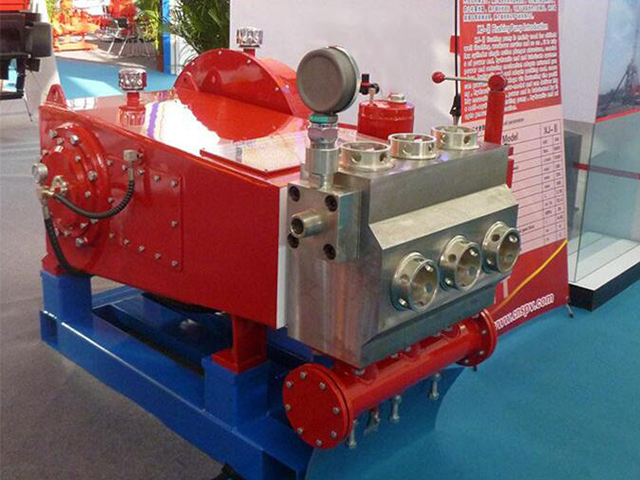
Start with the approved pump geometry
Identify the pump configuration, plunger diameter, connection arrangement and relevant drawing revision. Ask the supplier to confirm dimensional and interface compatibility before considering a different material. A matching nominal diameter does not establish that the plunger connects correctly or works with the existing packing. Preserve controlled dimensions and required tolerances so a purchase decision does not rely only on a photograph or a material description.
Describe the operating and chemical exposure
Submit liquid composition, solids, temperature, pressure-flow cases and operating schedule. Include transition liquids and any exposure during storage or cleaning. Ask how the proposed plunger material or coating responds to that specific service. An option marketed for wear resistance is not necessarily suitable for every chemical, temperature change or mechanical condition. Keep claims about suitability tied to the accepted configuration and evidence supplied for the project.
Review the plunger and packing together
Request confirmation of the packing compound and arrangement that should accompany the proposed plunger. Agree surface-condition requirements, inspection criteria and the associated maintenance instructions. A material change may affect the accepted seal combination or require other component changes. Ask the supplier to identify those changes in the offer rather than purchasing a different plunger while assuming the existing packing, support parts and service practice remain valid.
Compare inspection and replacement evidence
Ask for the supplied dimensional and surface checks and any material or coating records included in the order. Clarify the condition limits used to assess an existing plunger for continued service. Do not infer an acceptable repair method from the material name; rework, coating renewal or replacement requires the supplier-approved process. Compare competing offers at the same inspection boundary and distinguish sample evidence from documents covering the supplied parts.
Evaluate cost over the supported service arrangement
Compare the plunger price together with required packing, installation parts, tooling and storage provisions. Where one option claims longer life, request comparable liquid and duty evidence and record the uncertainty. An expensive material may be justified for a specific service without providing a universal ownership saving. Keep approved spare identifiers and handling instructions with the equipment so the selected combination can be maintained after the initial purchase.
Avoid material-only equivalence claims
Record the accepted plunger drawing, material or coating specification, packing combination and service limits in the spare-parts schedule. Treat a later substitute as a technical change requiring review, even when the nominal dimensions appear unchanged. Ask for limitations involving handling, thermal exposure and maintenance procedures rather than supplying your own assumptions. When an original component cannot be identified reliably, agree the survey and approval work needed before placing an order for a replacement advertised as compatible.
Put these items side by side in the bid review
| Purchase item | Question to resolve | Evidence to request |
|---|---|---|
| Geometry | Does the complete interface match? | Approved plunger drawing |
| Combination | Which packing is accepted? | Supplier component schedule |
| Evidence | What supports the material choice? | Service and inspection response |
Suggested wording for the quotation request
Please compare supported plunger material options for our identified triplex pump and attached liquid duty. Confirm dimensions, connection interfaces, surface requirements and the accepted packing combination. State required component changes, supplied inspection records, storage and handling instructions, service limitations and configuration-specific spare references. Provide evidence behind any life or cost advantage and separate proposed alternatives from parts already approved for the existing installation.
Evaluate the offered pump within its complete operating system: feed supply, pressure piping, prime mover, lubrication, controls and maintenance access. Record the liquid properties, simultaneous pressure and flow points, speed range and expected running hours. Keep the accepted limits and supporting drawings with the purchase order. A bare-pump rating does not establish the capability of the installed package or every possible fluid. Qualified personnel must follow the supplied instructions and approved site procedures for installation, testing and service.
For the wider equipment scope, consult the Triplex Plunger Diameter: Pressure, Flow and Rod Load. Use the RFQ checklist to collect the supporting documents before requesting a configuration-specific quotation.
Buyer questions
Is a ceramic plunger always preferable?
No. Suitability depends on the complete design, liquid, temperature, handling conditions and accepted packing combination.
Can a material change be treated as a like-for-like spare?
Only after the supplier confirms geometry, interfaces, operating limits and compatibility with the associated components.
Background and supplier contact
Reciprocating-pump reference documents offers related background, not certification of the equipment in a quotation. Applicability must be checked for the project and destination.
Explore the oilfield triplex plunger pump, browse all technical resources, or visit Vance Petroleum for company information. Request a pump proposal with the liquid analysis, pressure-flow duty and package requirements.