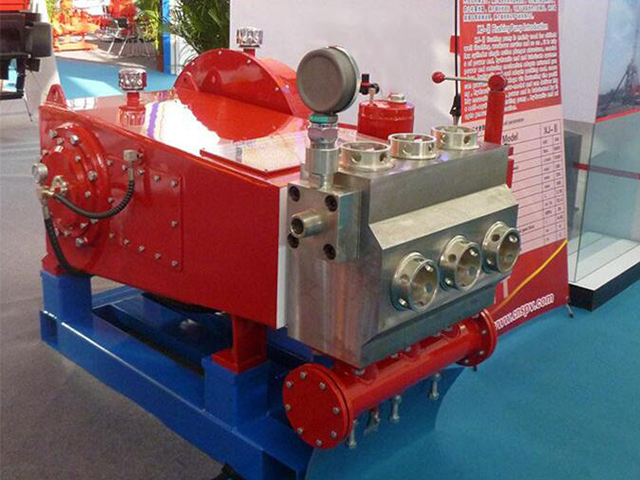
Identify the delivered packing arrangement
Use the pump serial number, fluid-end reference and current parts list to identify the packing assembly. Record the plunger diameter, gland arrangement and any previous changes. Ask the supplier to confirm the required revision and kit contents against that configuration. Where records disagree, resolve the discrepancy before ordering; selecting a kit from a broad pump-family description can leave support rings, seals or other necessary components incompatible.
State every liquid the packing will encounter
Provide the pumped-fluid composition, temperature, solids and expected pressure and speed. Include cleaning, flushing and preservation liquids where they contact the seals. A packing compound selected for one service should not be assumed suitable after a chemical or temperature change. Request the supplier acceptance and limits for the complete packing arrangement instead of treating a familiar material abbreviation as an unconditional compatibility guarantee.
Check the plunger and supporting components
Ask what plunger surface condition, dimensions and alignment checks are required before installing the kit. Identify support parts, lubrication or flushing equipment that affect operation. New packing will not necessarily correct leakage caused by a damaged plunger or another unresolved mechanical condition. Keep purchase planning separate from diagnosis: inspection and replacement decisions must follow the supplied maintenance instructions and the assessment of qualified personnel.
Define kit quantities and identification
Request a line-by-line contents list stating whether one kit serves a single plunger or the entire pump. Confirm individual part numbers, quantities and packaging labels. Include associated parts only when the supplier identifies them as needed for the selected arrangement. This avoids comparing a full service set with a smaller consumable pack under the same informal kit name and helps warehouse staff issue the correct quantity for planned work.
Agree storage and replenishment conditions
Ask for shelf-life information where applicable, storage temperature and humidity requirements, packaging restrictions and traceable batch labels. Plan replenishment around expected service and supplier availability rather than an unsupported universal life interval. Keep retained spares identifiable after a pump modification. If an alternative material is proposed because the original part is unavailable, require a documented compatibility review before accepting it as an equivalent replacement.
Connect spare purchasing with equipment records
Maintain the accepted packing reference, material description, service conditions and pump configuration in the spare-parts register. When maintenance reveals a changed plunger or fluid-end revision, update the register before the next order. Keep unused kits sealed and labeled according to the supplier instructions and distinguish approved alternatives from unreviewed stock. This purchasing discipline is particularly useful for fleets containing visually similar pumps that use different packing arrangements or serve different liquids.
Put these items side by side in the bid review
| Purchase item | Question to resolve | Evidence to request |
|---|---|---|
| Identification | Which assembly and revision are required? | Serial-linked parts list |
| Contents | One plunger or one complete pump? | Itemized kit schedule |
| Suitability | Which fluids and temperatures are accepted? | Supplier compatibility response |
Suggested wording for the quotation request
Please identify and quote packing spare kits for the attached triplex pump configuration. Confirm plunger diameter, assembly revision, seal compounds, kit quantities and all included support parts. Review the listed process and flushing liquids, temperature and operating duty. Supply installation references, required plunger checks, storage conditions and traceable part labels. Identify proposed alternatives separately and explain the evidence required before any substitution can be approved.
Evaluate the offered pump within its complete operating system: feed supply, pressure piping, prime mover, lubrication, controls and maintenance access. Record the liquid properties, simultaneous pressure and flow points, speed range and expected running hours. Keep the accepted limits and supporting drawings with the purchase order. A bare-pump rating does not establish the capability of the installed package or every possible fluid. Qualified personnel must follow the supplied instructions and approved site procedures for installation, testing and service.
For the wider equipment scope, consult the Triplex Pump Packing Leaks: What to Inspect First. Use the RFQ checklist to collect the supporting documents before requesting a configuration-specific quotation.
Buyer questions
Is plunger diameter enough to identify a packing kit?
No. The assembly revision, gland and support parts, material selection and pump configuration also matter.
Will new packing necessarily resolve a leak?
No. The plunger, alignment, support systems and other possible causes require inspection under the supplied maintenance instructions.
Background and supplier contact
Reciprocating-pump reference documents offers related background, not certification of the equipment in a quotation. Applicability must be checked for the project and destination.
Explore the oilfield triplex plunger pump, browse all technical resources, or visit Vance Petroleum for company information. Request a pump proposal with the liquid analysis, pressure-flow duty and package requirements.