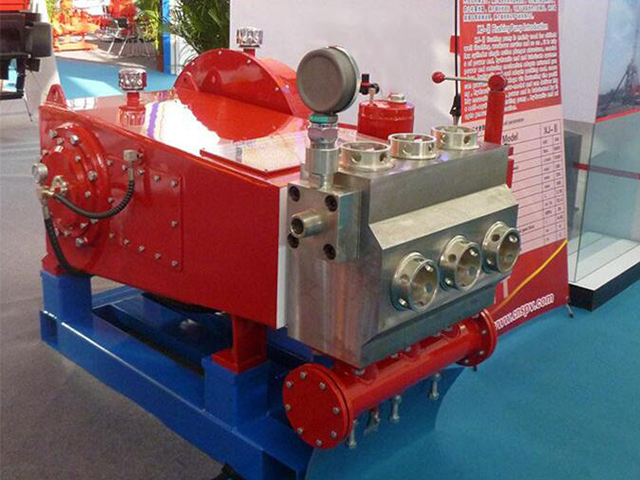
Define what the bare pump includes
Ask for a component list identifying the power end, fluid end, plungers, packing, valves and supplied connections. Confirm whether integral lubrication parts, guards, instruments or mounting hardware are included. Terms such as complete pump can mean different things between offers. Tie the list to the configuration quoted for your duty, and distinguish factory-fitted items from loose accessories that still require assembly or engineering.
Price the missing systems separately
Build a second list for the prime mover, transmission, coupling, skid, feed system, pressure protection, lubrication, cooling and controls. Identify which items can genuinely be reused from an existing installation and which need new selection. Reusing equipment is not a saving until compatibility, condition and capacity have been checked. Obtain prices for any integration engineering and purchaser-supplied components before deciding that the bare-pump option costs less.
Compare testing at the same boundary
A pump-only inspection does not demonstrate the operation of the complete skid. Ask each bidder to identify the assembled equipment included in functional and performance tests, along with the fluid, operating points and measurement scope. State whether control interlocks, lubrication circuits and driver interfaces will be checked together. Record the site work needed after delivery to obtain equivalent evidence for separately purchased components.
Include installation and ownership expenses
Check foundation work, lifting, alignment, piping, cabling, utility connections and commissioning support. Add the tools and initial spares needed for the selected arrangement. For operating cost, compare power demand at the same duty and the maintenance requirements of the complete system. Avoid calculating an ownership advantage from an unverified efficiency percentage or a wear-part life promise unrelated to your actual fluid and running hours.
Assign integration responsibility before ordering
For a split purchase, name the party responsible for system selection, interface drawings, protective functions and final acceptance. For a packaged skid, require the supplier to identify exclusions instead of assuming every site requirement is included. Clarify how defects involving multiple components will be assessed. A responsibility matrix is particularly useful when a pump manufacturer, driver vendor and local assembler each supply part of the equipment.
Use a comparable-cost worksheet
Keep equipment price, engineering, transport, installation, testing and initial spares in separate rows. State the delivery term and named place for every offer. Where an item remains unpriced, mark the uncertainty rather than entering zero. Review technical acceptance before adding commercial preferences: a cheaper scope that cannot support the required service is not an equivalent bid. Retain the worksheet with the supplier clarifications so later changes can be traced to an agreed starting point.
Put these items side by side in the bid review
| Purchase item | Question to resolve | Evidence to request |
|---|---|---|
| Supply | Pump only or integrated package? | Tagged equipment list |
| Integration | Who closes interface gaps? | Responsibility matrix |
| Cost | Which expenses remain outside the offer? | Comparable-cost worksheet |
Suggested wording for the quotation request
Please provide separate prices for the bare pump and a complete skid supporting the attached duty. Identify the included driver, transmission, feed system, lubrication, cooling, protective devices and controls. List purchaser-supplied items, integration responsibilities, testing boundaries and commissioning requirements. State the delivery term and named place, initial spares and documentation scope. Show optional items separately without treating unconfirmed existing equipment as compatible.
Evaluate the offered pump within its complete operating system: feed supply, pressure piping, prime mover, lubrication, controls and maintenance access. Record the liquid properties, simultaneous pressure and flow points, speed range and expected running hours. Keep the accepted limits and supporting drawings with the purchase order. A bare-pump rating does not establish the capability of the installed package or every possible fluid. Qualified personnel must follow the supplied instructions and approved site procedures for installation, testing and service.
For the wider equipment scope, consult the Oilfield Triplex Plunger Pump: Price and Cost Guide. Use the RFQ checklist to collect the supporting documents before requesting a configuration-specific quotation.
Buyer questions
Is a bare pump always cheaper overall?
No. Integration, supporting equipment, installation and verification can change the total cost. Compare technically equivalent installed scopes.
How should exclusions be handled?
Identify the responsible party and obtain an estimated or firm cost for each exclusion before accepting the commercial comparison.
Background and supplier contact
ICC Incoterms® resources offers related background, not certification of the equipment in a quotation. Applicability must be checked for the project and destination.
Explore the oilfield triplex plunger pump, browse all technical resources, or visit Vance Petroleum for company information. Request a pump proposal with the liquid analysis, pressure-flow duty and package requirements.