Begin with the real operating basis
A useful Oilfield Triplex Plunger Pump plan starts with the work the unit must perform: providing repeatable high-pressure positive-displacement flow for cementing, stimulation, flushing and well-service work. Record normal, minimum, maximum and transient cases instead of relying on one headline capacity. The review should identify pressure-flow duty point, fluid chemistry and abrasiveness, plunger diameter, driver speed and power and maintenance access together with the source and confidence level for each value.
Trace those inputs through the power end, fluid end, plungers and packing and suction and discharge valves. This system view helps the project team see where a site condition, fluid property or operating limit affects more than one component. It also creates a defensible basis for supplier clarification, field setup and later change control.
Train operators around decisions and observable conditions
Training should cover equipment purpose, operating envelope, component identification, pre-start checks, normal sequence, stable-duty indicators, controlled shutdown, emergency response and post-job preservation. Operators should understand why a limit exists and what evidence confirms a safe condition. A signed attendance sheet alone does not demonstrate that the crew can recognize abnormal operation.
| Review point | Project question | Required record |
|---|---|---|
| power end | What condition must be checked before startup? | Daily inspection record |
| fluid end | Which reading or sound indicates deterioration? | Baseline and trend sheet |
| plungers and packing | What level, cleanliness or connection needs attention? | Service checklist |
| suction and discharge valves | Which alarm, trip or interlock must be available? | Functional test record |
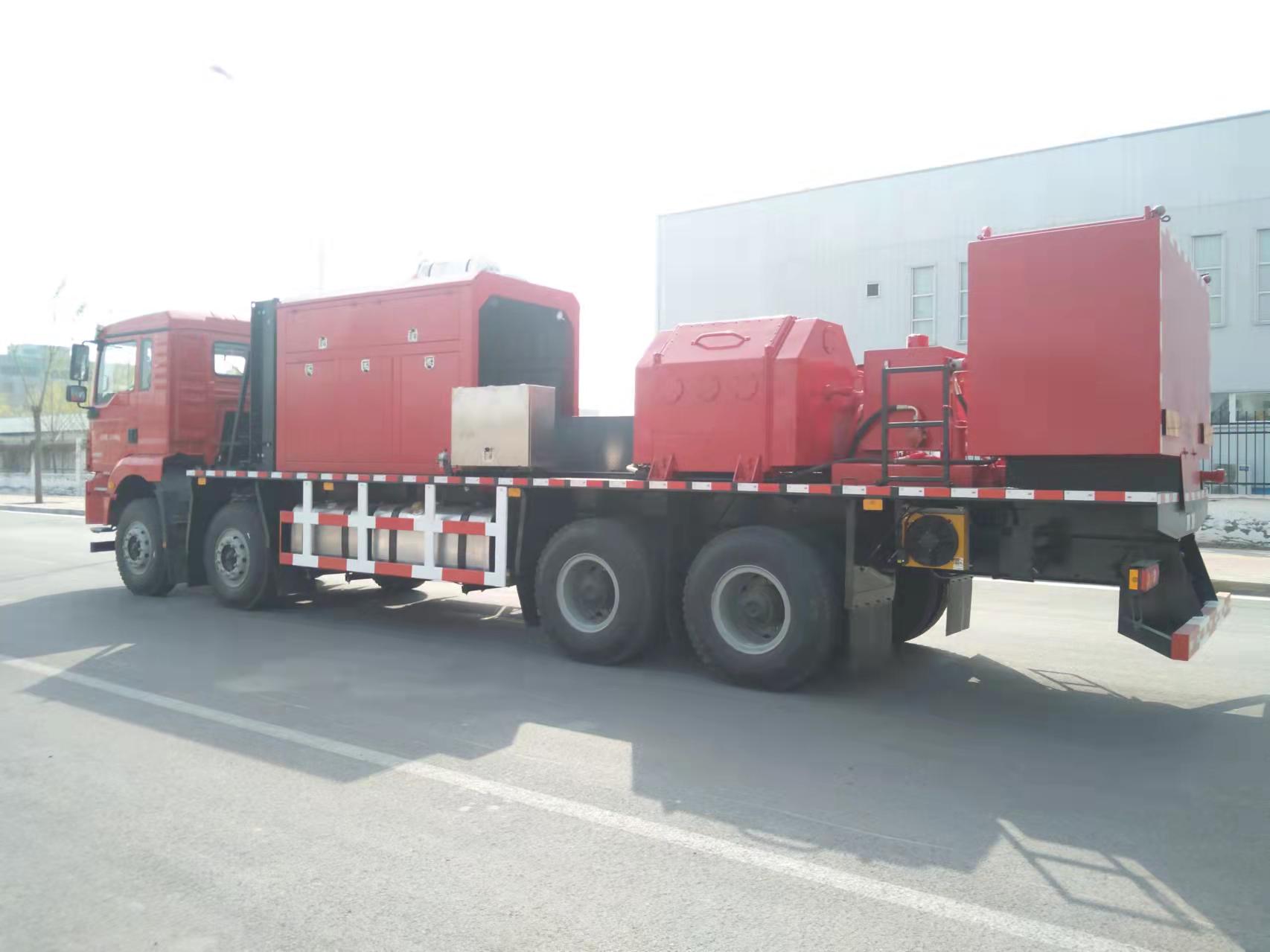
Use a short visual route before every shift or job
Inspect for leakage, loose hardware, damaged hoses or cables, blocked ventilation, contaminated filters, low fluid levels, missing guards, unsecured panels, abnormal wear and evidence of overheating. Check drains, relief discharge paths, emergency controls, fire equipment and spill materials. Verify that instruments show credible values before energy is introduced.
Adjust the route for cement slurry pumping, acidizing, high-pressure flushing and water injection. The operator should pay particular attention to changes in pressure-flow duty point, fluid chemistry and abrasiveness, plunger diameter and driver speed and power and compare them with the accepted baseline for this Oilfield Triplex Plunger Pump.
Make shift handover part of equipment control
Record hours or cycles, current configuration, recent alarms, bypass status, leaks, adjustments, consumables, open defects and planned maintenance. The incoming operator should verify critical status at the equipment rather than relying only on a verbal summary. Define which defects stop operation, which require a risk review and which may be monitored to a scheduled repair.
Keep records that support the next decision
Keep the approved duty sheet, site survey, interface drawing, procedures, inspection results, test records, deviations and signed handover information in one controlled equipment file. Record the installed component models and document revisions so operators and maintenance personnel can confirm that their instructions match the field configuration.
After the job, compare planned and actual values for pressure-flow duty point, fluid chemistry and abrasiveness, plunger diameter, driver speed and power, maintenance access. Record abnormal events, adjustments, consumable use and any condition that affected setup or performance. Use the findings to improve the next job plan without silently expanding the approved operating envelope.
Apply project and jurisdictional requirements
Use this planning guide with the owner's procedures, local law and applicable project standards. Review relevant requirements through American Petroleum Institute standards. The project-specific engineering and safety basis governs the final configuration and work method.